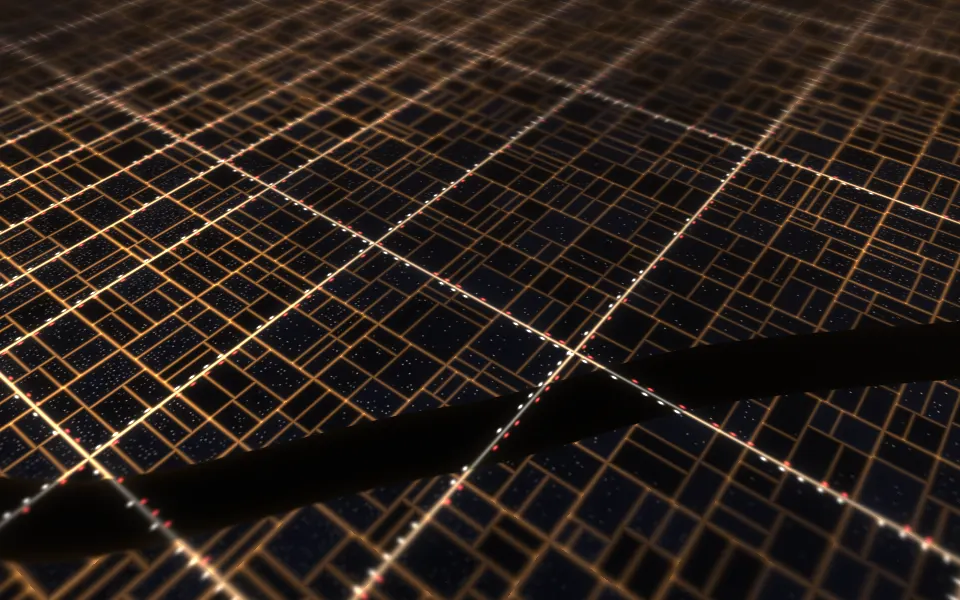
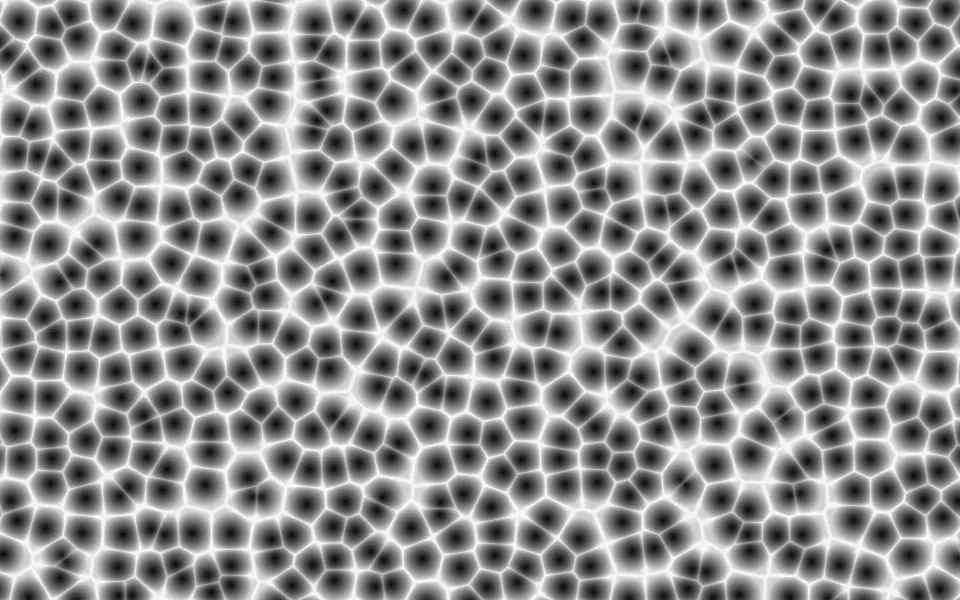
shadcn.io is not affiliated with official shadcn/ui
Embers Shader draws a bed of coals seen from above at a slant, the way you'd look down into a fire pit. Each lump of charcoal is rounded and lit from above; some are hot right through and glow a mottled orange, others are nearly dead, dark under grey ash with red cracks across them, and the gaps between them glow brightest at the heart of the bed, low in the middle. The heat swells and sinks through the bed in slow waves, as if someone were blowing on it, and now and then a spark lifts and winks out. The coals are Voronoi cells projected onto a tilted ground, the cracks a second, finer cell pattern, and the glow is black-body light from Planck's law, computed for every pixel, every frame, by a WGSL fragment shader on WebGPU.
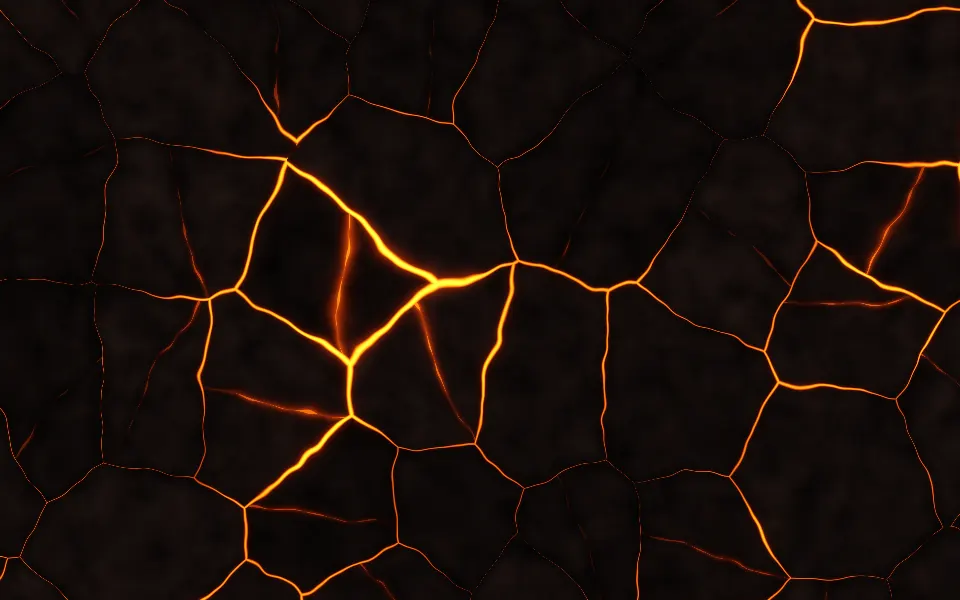
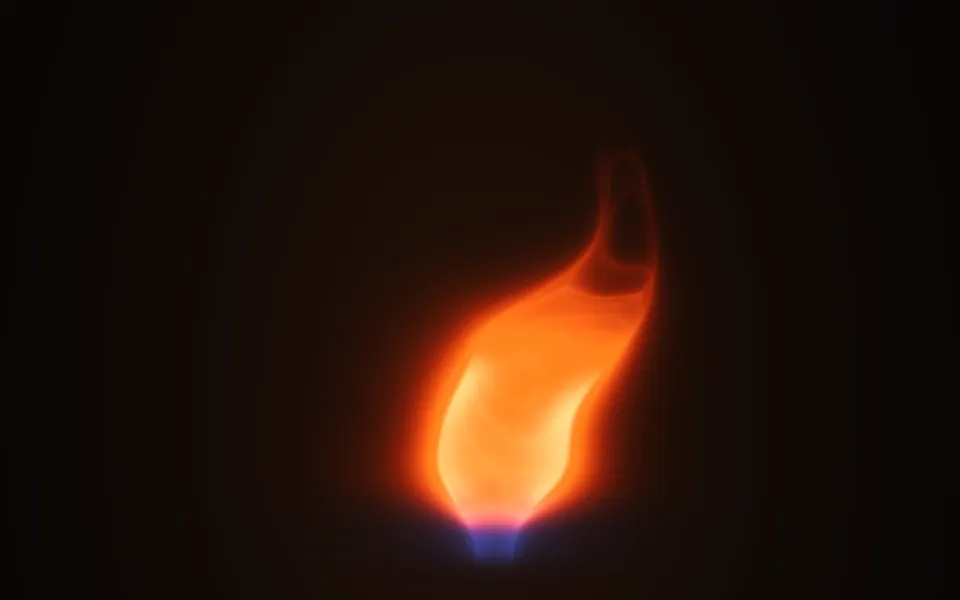
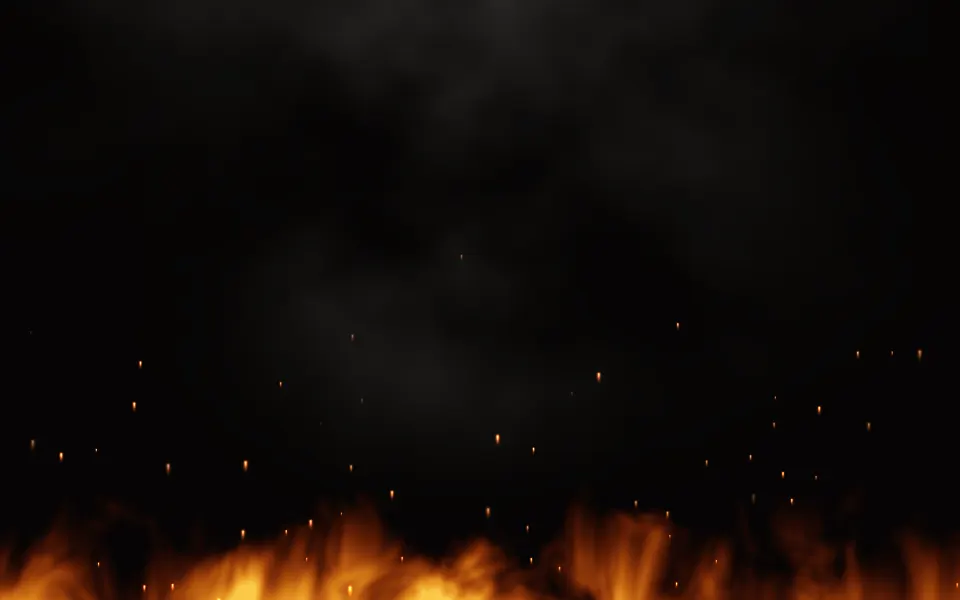
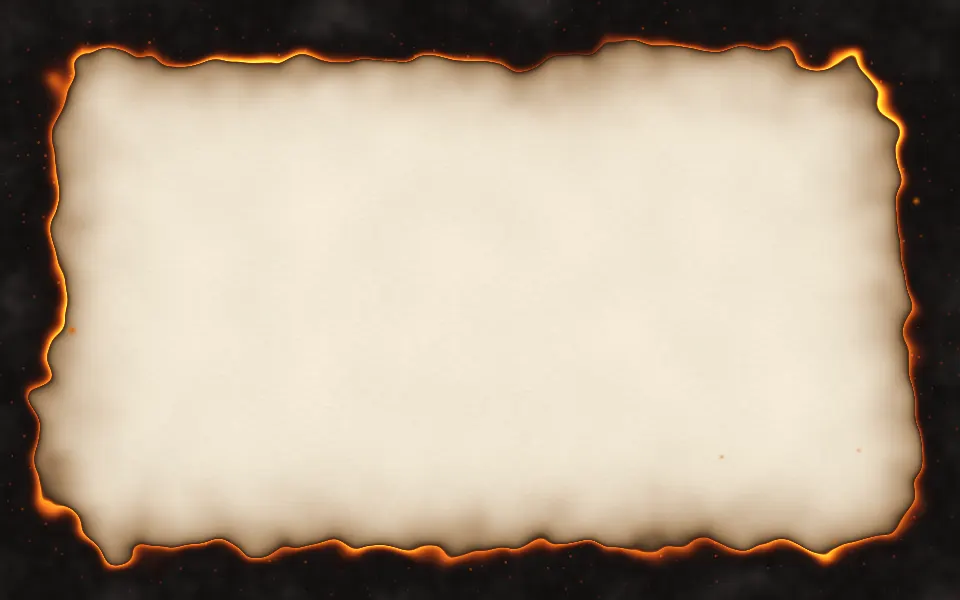
Use it behind a cosy product, a winter or holiday page, a "fireside" story or an after-dark hero. The bed fades into darkness toward the top, which leaves room for a headline. For a river of lava with drifting plates, use Magma Shader; for open flame, Fire 3D Shader or Sparks Drifting Shader; for a fire in plain CSS, with no GPU, the Fireplace background. It runs only while it's on screen, holds a still frame with reduced motion, and shows a warm glow over dark in browsers without WebGPU.
Installation
Usage
import { EmbersShader } from "@/components/ui/embers-shader";<EmbersShader className="flex min-h-[32rem] items-start justify-center pt-24">
<h1 className="text-5xl font-semibold text-white">Gather round</h1>
</EmbersShader>Embers Shader is a container: your content sits on top of the coals, in normal flow. It fills its own box, so give it a height or content. For a backdrop behind the whole page, render it empty with className="fixed inset-0 -z-10". The bed is dark in both color schemes and brightest low in the middle, so put white or light text in the upper half.
Demos
Dying fire
temperature={900} cools the bed to a dull red, ash={0.8} coats more of each coal in grey, breathing={0.5} calms the swell, and sparks={0.1} sends up only the odd spark: a fire that's nearly out.
In a card
The bed is sized to the box's height, so a card shows the same few rows of coals, closer up. intensity={1.3} brightens the glow for the small surface, and sparks={0.8} sends up more sparks.
Performance
About 1.5 ms of GPU time a frame at 1280×720 on an M2 Max laptop; slower GPUs take several times longer. The cracks are fine lines, so it renders at full resolution by default: quality={0.5} costs a quarter as much, but softens them. The animation stops when the shader scrolls out of view, and the browser pauses it in a hidden tab. Every shader on a page shares one GPU device and one frame loop, and vgpu (about 50 KB gzipped) loads only when the first one mounts.
Browser support
The shader needs WebGPU: Chrome and Edge, Safari 26 and later, and Firefox on Windows and macOS. Elsewhere, and until the first frame, the box shows a CSS gradient, an orange glow at the bottom fading to near black at the top, so the layout never jumps. data-state on the root reads unsupported there, if you want to style around it. See Shader Canvas.
Accessibility
The coals are decoration: they're hidden from assistive tech and let every click through to your content. With reduced motion it draws one still frame, three seconds in, and stops. Nothing flashes: the heat swells over several seconds, and the sparks are a few pixels wide. In the upper 45% of the frame, white text reaches 4.5:1 everywhere we measured but the sparks themselves; over the whole frame it's 4.5:1 on 96%, so keep text off the bright heart at the bottom.
FAQ
How are the coals drawn?
Each pixel casts a ray from a camera tilted down at the ground, and finds which Voronoi cell, or coal, it lands in, and how far it is from that coal's edge. That distance shapes each coal into a dome, lit from above and shadowed where it meets the next one. A finer cell pattern draws the cracks, noise lays the ash, and each coal's own heat, the heart of the bed and a slow swell set its temperature, which Planck's law turns into color.
What does breathing do?
It sets how strongly the heat swells and sinks: slow waves of noise drift across the bed, and where one passes the coals and gaps run hotter and brighter. At 0 the heat is steady and only the sparks move; at 2 the swells are deep, from dull red to orange-yellow. speed scales how fast they travel.
Can I change the colors?
coalColor sets the charcoal, ashColor the ash on top, and tintColor multiplies the glow: white keeps the black-body colors. They take any CSS color and follow a theme switch. The glow's own color comes from temperature: 800 K is a dim red, the default 1100 K orange, and 1600 K orange-yellow. intensity sets its strength, from 0, dead coal, to 2.
How do I control the sparks?
sparks sets how many are in the air, from 0 to ten at a time. Each rises from the bed, wobbles a little and burns out within a few seconds. They're a few pixels wide at any screen density, so they stay sparks on a large screen.
Will it slow my page down?
It costs about 1.5 ms of GPU time a frame at 1280×720 on an M2 Max laptop, and the CPU only sets a few numbers each frame. It stops when it's off screen. sparks adds a little, at most ten points; ash, breathing and temperature change the look, not the cost. On a slow GPU, quality={0.5} renders a quarter of the pixels, with softer cracks.
API Reference
EmbersShader
data-slot="embers-shader"
ash?number
How much grey ash coats the coals, from 0 (bare black coal) to 1 (thick ash). @default 0.5.
- Default
0.5
ashColor?string
The ash on top of the coals. Any CSS colour. @default "#8f8780".
- Default
"#8f8780"
breathing?number
How strongly the heat swells and sinks through the bed, from 0 (steady) to 2. @default 1.
- Default
1
coalColor?string
The coals under the ash. Any CSS colour. @default "#17110f".
- Default
"#17110f"
fallback?string
What shows until the first frame and in browsers without WebGPU: a CSS
background value (gradients, sizes, a colour) that looks like the
shader. It can use the colour props' --shader-<field> variables.
intensity?number
How bright the coals glow, from 0 (dead coal) to 2. @default 1.
- Default
1
interactive?boolean
Whether u.pointer follows the pointer. @default false.
paused?boolean
Holds the current frame. @default false.
quality?number
Render scale, from 0.25 to 1, of the screen's pixels (capped at 2×). @default 1.
sparks?number
How many sparks lift from the bed, from 0 (none) to 1 (ten at a time). @default 0.5.
- Default
0.5
speed?number
Animation speed: 1 is normal, 0 holds the frame. @default 1.
temperature?number
The bed's temperature in kelvin, from 800 (a dim red) to 1600 (orange-yellow): it sets the glow's colour. @default 1100.
- Default
1100
time?number
A fixed moment, in seconds: draws it and doesn't animate.
tintColor?string
Multiplies the glow's colour: white keeps the black-body colours. Any CSS colour. @default "#ffffff".
- Default
"#ffffff"
render?ReactElement | ((props: object, state: object) => ReactElement)
Replace the host element or compose it with another component.
- Type
ReactElement | ((props: object, state: object) => ReactElement)
className?string
Forwarded to the part.
Related
- Pro
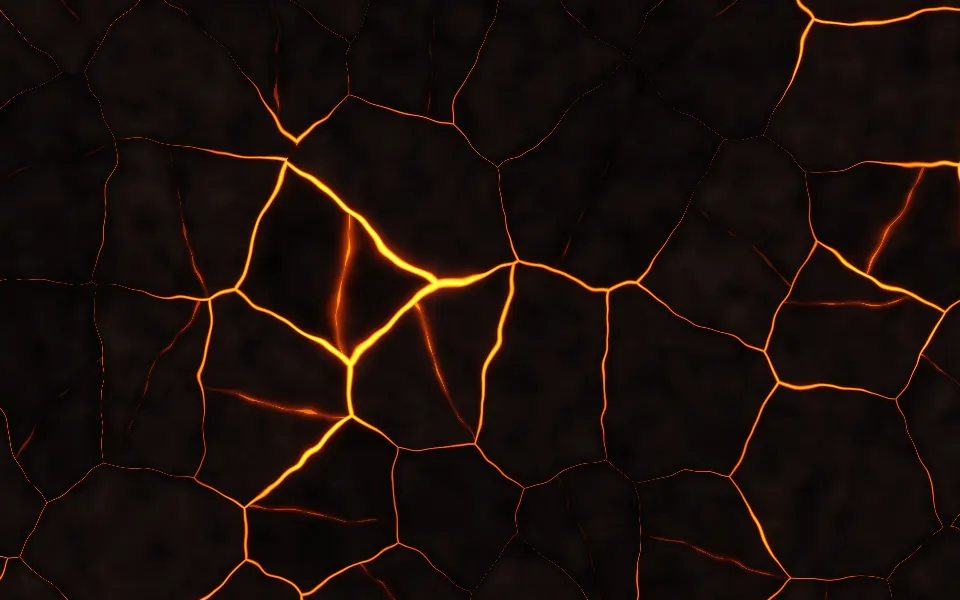
Magma Shader
Ink, smoke & fireA river of lava with drifting plates
- Pro
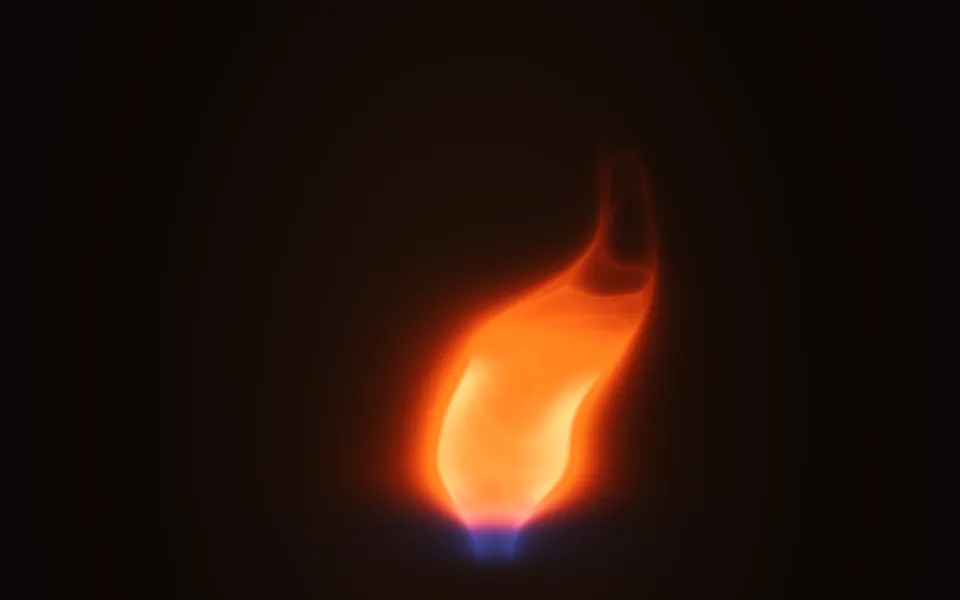
Fire 3D Shader
Ink, smoke & fireOpen flame at the center
- Pro
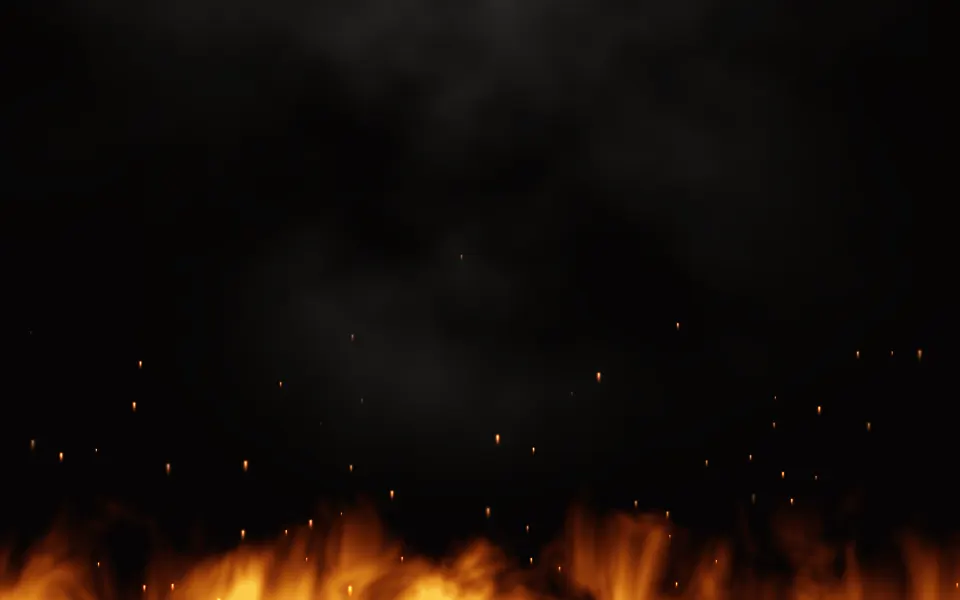
Sparks Drifting Shader
Ink, smoke & fireA low fire with sparks drifting up
- Pro
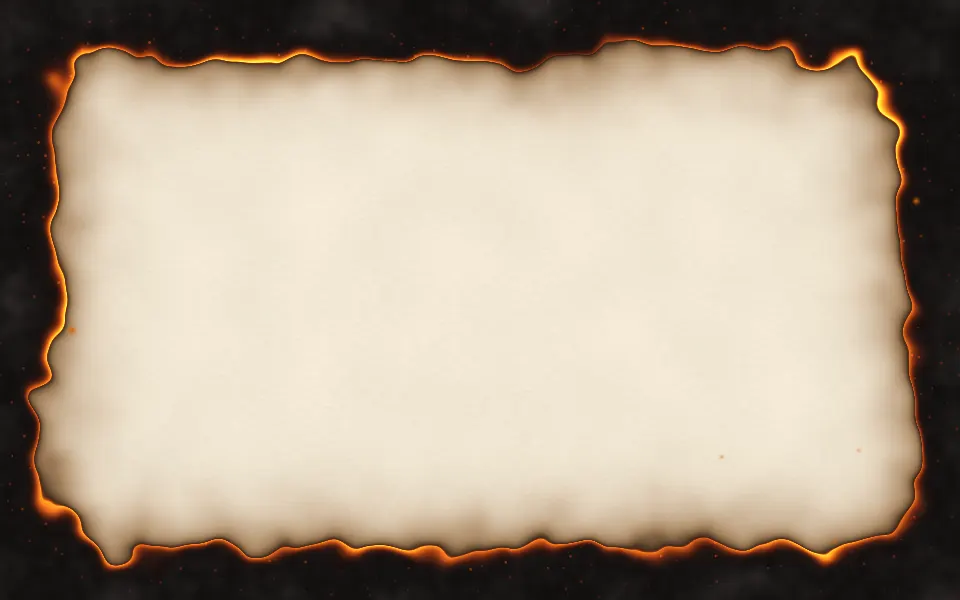
Burning Paper Shader
Ink, smoke & fireFire creeping round a clean page
- Pro
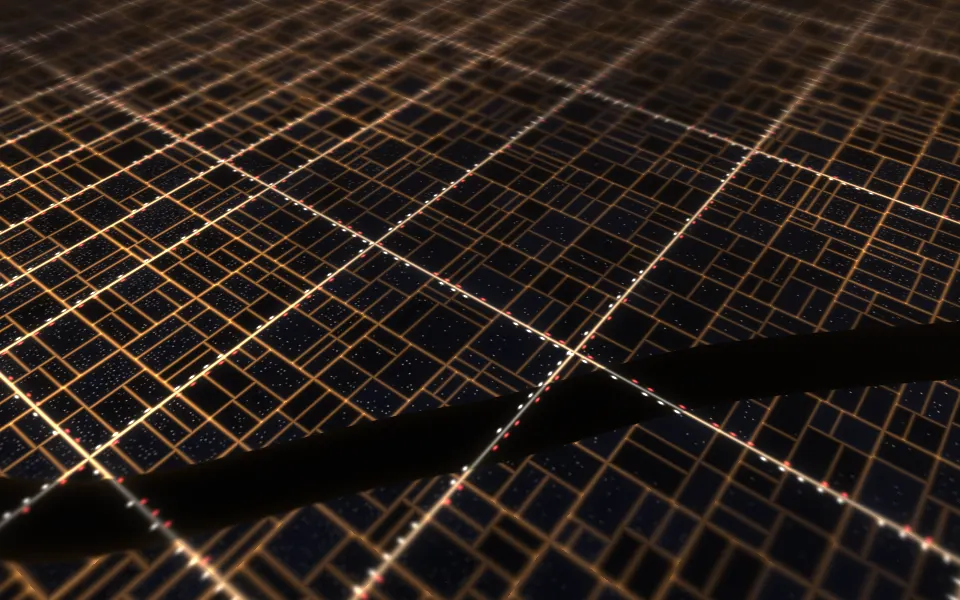
City Lights Shader
Water & landscapesWarm orange lights in the dark, from above
- Pro
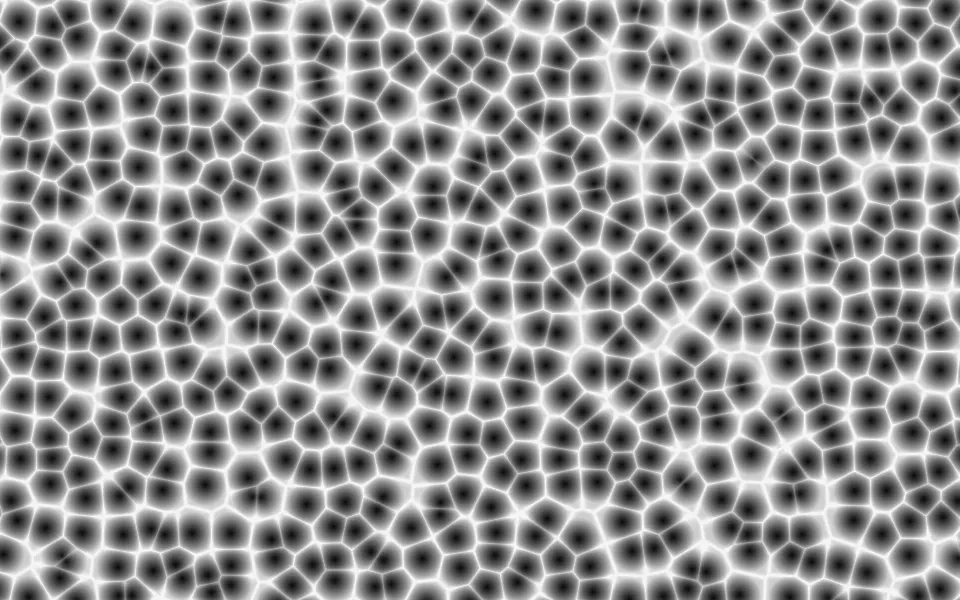
Worley Noise Shader
Patterns & tilingsThe cell pattern under the coals, as a texture